


Last week, a mom came in with her seven-year-old and said, “He’s been sneezing so much I thought he was getting sick — but it just won’t go away.” No fever. No body aches. Just relentless sneezing, puffy eyes, and a kid who couldn’t sleep through the night. Classic Child’s Summer Allergies in Georgia. Once we talked it through, she was genuinely relieved — not because it was nothing, but because it was something we could actually do something about.
That conversation happens a lot this time of year. If you’re reading this because your child has been miserable lately, you’re in the right place.
What’s Actually Floating in the Air Right Now
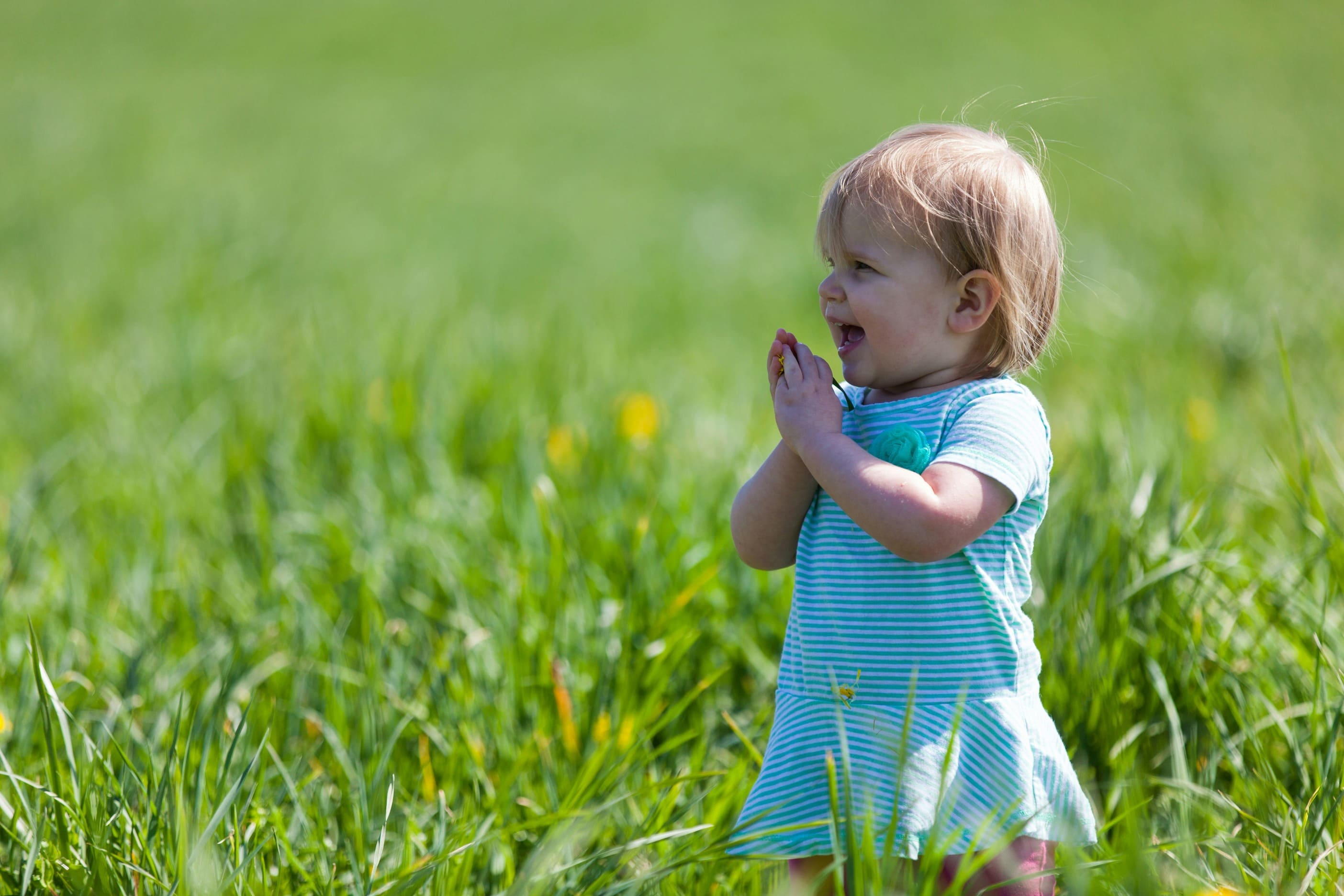
Spring gets all the pollen attention. But summer in Georgia has its own problem — grass pollen. Bermuda, Timothy, Kentucky bluegrass — they all peak between June and August, and Gwinnett County gets hit hard. The heat keeps it going longer than most parents expect.
Kids spend more time rolling around in the grass than we do. More exposure, smaller airways, immune systems still developing. It adds up fast.
The American Academy of Pediatrics notes that seasonal allergic rhinitis affects up to 40% of children in the U.S. — meaning if your child has it, they’re far from alone. HealthyChildren.org, the AAP’s official parent resource, has reliable, evidence-based guidance on allergies in children if you’d like to explore further.
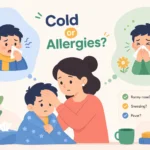
Is It Allergies — or Just a Summer Cold?
This is the most common question I hear. Here’s what I look for clinically:
Signs pointing to seasonal allergies:
- Symptoms lasting more than 10 days with no fever
- Clear, watery nasal discharge
- Itchy or watery eyes
- Symptoms worsen outdoors and improve inside
- Recurs around the same time each year
Signs pointing to a viral cold:
- Sudden onset with sore throat or body aches
- Fever present
- Mucus becomes thick and discolored within a few days
- Resolves within 7–10 days
One thing parents frequently miss: allergies can cause a nagging nighttime cough — not from illness, but from post-nasal drip irritating the airway when your child lies down. If the cough only happens at night and you can’t trace it to a cold, mention it at your next visit. It’s a clue worth following.
What You Can Do at Home — Starting Today
You don’t need to keep your kids inside all summer. But a few consistent habits make a real difference:
Check pollen counts before heading out. On high-pollen days, save outdoor time for late afternoon — counts typically drop after 3–4 pm.
Shower and change clothes after being outside. Pollen clings to hair and skin. This one habit, done consistently, does more than most over-the-counter sprays.
Keep bedroom windows closed at night. Run the AC and change the filter monthly. Your child spends 10+ hours in that room — it should have the cleanest air in the house.
Wash pillowcases twice a week during peak season. Not once. Twice. Pollen accumulates faster than you’d think.
Medications That Actually Help
For mild symptoms, non-drowsy antihistamines like cetirizine (Zyrtec) or loratadine (Claritin) are a reasonable starting point. Both are available over the counter. But dosing depends on your child’s age and weight — so don’t guess. Ask us before starting.
For kids who struggle every single summer, a daily nasal steroid spray like fluticasone (Flonase) can be genuinely transformative. It doesn’t work overnight — give it a week or two to build up. But used consistently, some parents tell me it’s the first summer their child actually felt comfortable.
Important: Never give a child adult-formulated antihistamines, decongestant combinations, or any medication without confirming the right dose with your pediatrician first. This matters especially for children under age 6.
When to Come See Us
Come in if:
- Symptoms aren’t improving after two weeks of home management
- Your child is losing sleep, missing activities, or just not themselves
- You suspect asthma — allergies and asthma are closely linked and often travel together
- Symptoms are starting to look like a sinus or ear infection (both can be triggered by untreated allergies)
- You’re not sure what’s going on
Dr. Rabia Akbar and the team at YouBelong Pediatrics can evaluate your child’s specific symptoms and build a management plan around them — not a generic protocol. See everything we offer on our services page.
If you’re new to the practice or recently moved to the area, review our insurance and new patient information before your visit.
A Note for Families New to Georgia
If you moved here from up north or out west — give it a season or two. Many children who never had allergies before start developing symptoms after a year or two in the Southeast. It doesn’t mean something is wrong. It means their immune system is meeting a new environment. We see this regularly, and it’s very manageable.
Summer should be fun. Don’t let pollen take that from your child.
Book an appointment at YouBelong Pediatrics. We’re right here in Suwanee — and we’re glad to help.
Medical Disclaimer: This article is written for general educational purposes by a licensed pediatrician and does not constitute personalized medical advice. Always consult your child’s doctor before starting any medication or treatment plan.