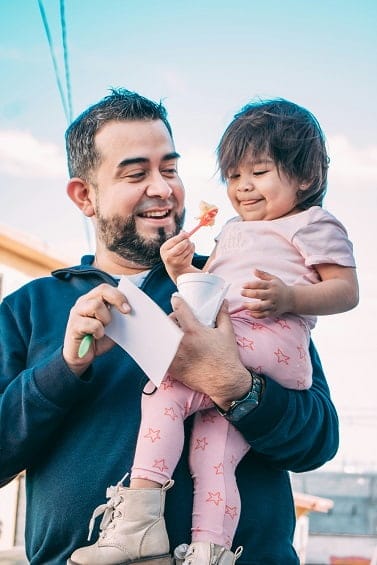





In the quiet moments of family life—between the morning rush and bedtime routines—some of the most meaningful relationships are quietly forming. Siblings, whether close in age or years apart, share a unique connection that can be a source of lifelong companionship, support, and love. But like all relationships, sibling bonds need nurturing, guidance, and space to grow.
For many families, sibling dynamics can feel like a rollercoaster. One moment they’re giggling over a shared game, the next they’re arguing over who gets the last cookie. These ups and downs are not only normal—they’re opportunities. With gentle support and intentional parenting, caregivers can help children build strong, respectful, and loving relationships with their brothers and sisters.
Why Sibling Relationships Matter
Sibling relationships are often the longest-lasting relationships in a person’s life. They shape how children learn to share, resolve conflict, express empathy, and navigate complex emotions. A healthy sibling bond can offer:
Emotional support during tough times
A sense of belonging and identity within the family
Opportunities to practice social skills in a safe environment
Shared memories that become the foundation of family stories
Encouraging Positive Interactions
Here are a few ways caregivers can foster strong sibling relationships:
1. Celebrate Each Child’s Individuality
Avoid comparisons. Each child is unique, with their own strengths, interests, and temperament. Celebrate what makes each one special, and help them appreciate those differences in each other.
2. Create Opportunities for Teamwork
Whether it’s building a fort, baking cookies, or cleaning up toys together, shared tasks can help siblings learn cooperation and build trust.
3. Teach Conflict Resolution
Disagreements are inevitable. Instead of stepping in to solve every conflict, guide children in expressing their feelings respectfully, listening to each other, and finding compromises.
4. Model Kindness and Respect
Children learn a great deal by watching how adults interact. Show them what respectful communication looks like, especially during disagreements.
5. Make Time for One-on-One Moments
Spending individual time with each child helps them feel valued and reduces competition for attention. It also gives you insight into their unique needs and perspectives.
When Sibling Rivalry Becomes Challenging
While some rivalry is normal, persistent hostility or resentment may signal deeper issues. If you notice ongoing tension, regression in behavior, or emotional withdrawal, it may be time to explore what’s beneath the surface. Sometimes, changes in family dynamics—like a new baby, a move, or parental stress—can affect sibling relationships.
We’re here to help. At YouBelong Pediatrics, we understand the complexities of family life and the importance of nurturing healthy sibling bonds. If you have concerns about your children’s relationship or want guidance on supporting their emotional development, we’d love to talk.
Schedule an appointment today. Let’s work together to build a foundation of love, empathy, and connection that your children will carry with them for life.