



By the time your little one turns two, chances are they’ll have encountered respiratory syncytial virus (RSV). For most healthy children, RSV feels like a typical cold. But for some—especially infants—it can lead to serious illness and even hospitalization.
What Is RSV?
RSV is a common virus that spreads through droplets from coughs, sneezes, or contact with contaminated surfaces. It typically circulates from late fall through early spring. It’s the leading cause of hospitalization in children under 1 year.
New Ways to Protect Babies
1. Maternal RSV Vaccine (Abrysvo)
- Given between 32–36 weeks of pregnancy (September–January).
- Reduces RSV hospitalization risk by 57% in the baby’s first six months.
- Only one dose is needed per pregnancy.
2. Infant RSV Immunization
- A single injection given at birth or during the first checkup.
- Recommended for babies under 8 months born before RSV season.
- Also advised for high-risk children aged 8–19 months entering their second RSV season.
- Offers 80–90% protection against hospitalization.
Recognizing RSV Symptoms
RSV often starts like a cold but can progress to bronchiolitis or pneumonia. Symptoms peak around days 3–5 and may last 7–14 days.
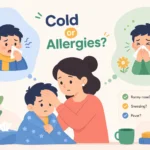
Cold Symptoms: Fever (≥100.4°F), Cough, Runny nose, Sneezing, Fussiness, Poor feeding
Bronchiolitis Signs: Fast breathing, Nasal flaring, Grunting, Belly breathing, Wheezing
Watch for chest wall retractions—if your baby’s chest caves in under the neck while breathing, they’re working hard to breathe and need medical attention.
When to Call Your Pediatrician
Seek help if your child shows:
- Difficulty breathing or pauses
- Dehydration (fewer than 1 wet diaper every 8 hours)
- Pale, gray, or blue skin/lips/nails
- High fever (especially in infants under 3 months)
- Symptoms worsening after 7 days
Comforting Your Child at Home
- Using nasal saline and suctioning before feeds and naps
- Running a cool-mist humidifier
- Offering frequent feedings
- Giving acetaminophen or ibuprofen (if over 6 months)
Avoid aspirin and over-the-counter cold medications for young children.
Disclaimer: YouBelong Pediatrics shares educational content to support families. This is not medical advice and shouldn’t replace care from a Licensed Doctor.