




Welcoming a new baby into your home is a joyful and transformative experience. Alongside the cuddles and coos, it’s essential to ensure your home is a safe haven for your infant.
Key Areas to Focus On
1. Safe Sleep Practices
The safest way for your baby to sleep is alone, on their back, in a crib or bassinet with a firm mattress and fitted sheet. Avoid soft bedding, pillows, and stuffed animals in the sleep area to reduce the risk of Sudden Infant Death Syndrome (SIDS). Room-sharing (not bed-sharing) is recommended for at least the first six months.
2. Babyproofing Essentials
- Install safety gates at the top and bottom of stairs.
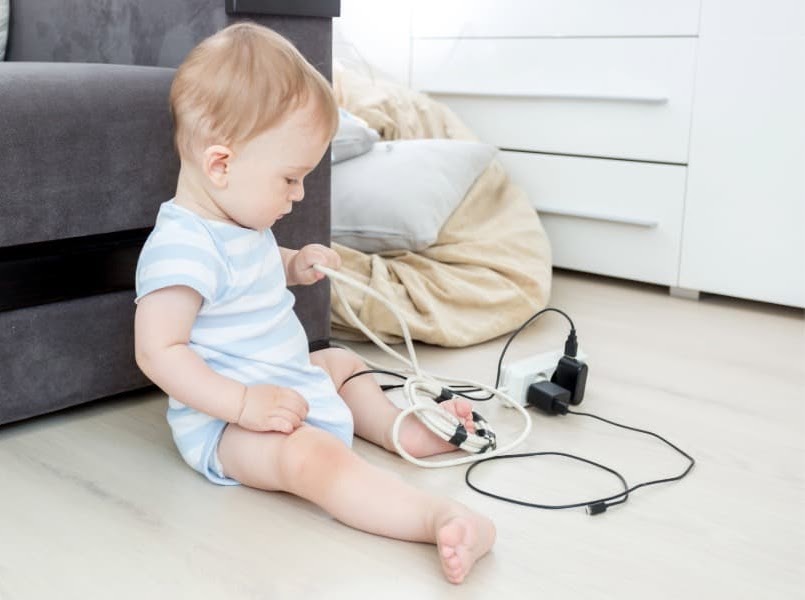
- Use outlet covers and secure cords out of reach.
- Anchor heavy furniture and TVs to the wall to prevent tipping.
- Keep small objects, cleaning supplies, and medications locked away.
3. Preventing Falls and Injuries
Infants can roll unexpectedly, so never leave them unattended on elevated surfaces like changing tables or beds. Use safety straps on high chairs and changing pads.
4. Bath Time Safety
Always test bath water temperature before placing your baby in the tub. Keep one hand on your baby at all times and never leave them alone in or near water.
5. Fire and Poison Safety
Install smoke and carbon monoxide detectors in your home. Store household cleaners, medications, and other toxic substances in locked cabinets. Keep the Poison Control number (1-800-222-1222) easily accessible.
6. Choking Hazards
Be mindful of small toys, coins, and food pieces that can pose choking risks. As your baby begins solids, offer age-appropriate foods and avoid items like whole grapes, nuts, and hard candies.
Creating a Nurturing Space
Safety goes beyond physical protection—it also includes emotional security. A calm, predictable environment with loving caregivers helps infants feel secure and thrive.
Disclaimer: YouBelong Pediatrics shares educational content to support families. This is not medical advice and shouldn’t replace care from a Licensed Doctor.